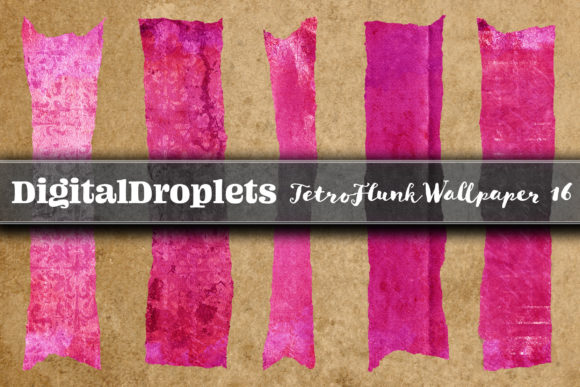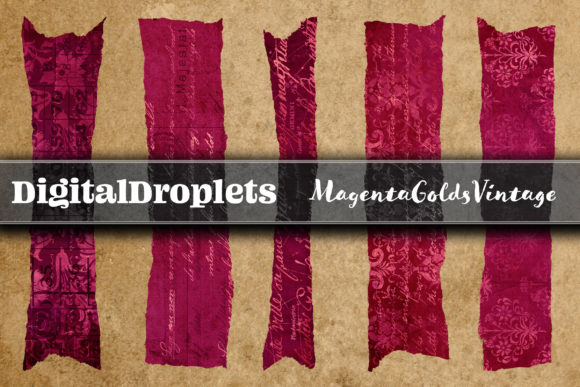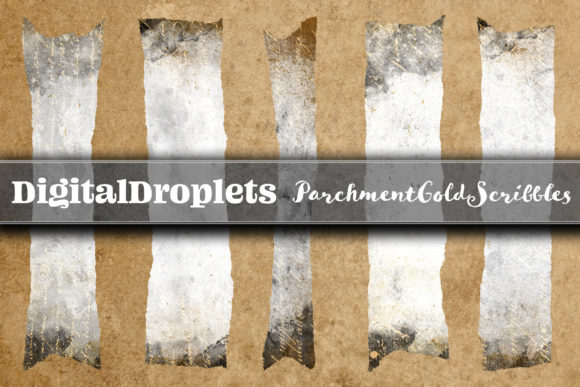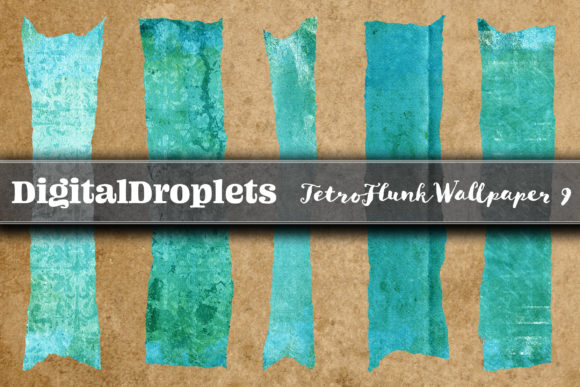
TetroFlunkWallpaper 9: 180 Washi Tapes for Digital Design
In the evolving landscape of digital scrapbooking and mixed-media design, the TetroFlunkWallpaper 9 | 180 Washi Tapes collection offers a unique blend of tactile authenticity and digital convenience. This set, derived from the Tetro Flunk Wallpaper Vol. 9 papers, provides designers with an extensive library of 180 uniquely patterned washi tapes. Each tape is meticulously crafted from 20 distinct papers, yielding 9 different torn tape shapes per paper. Delivered as high-resolution PNG files with transparent backgrounds, these assets are engineered for seamless integration into any creative workflow, from brand storytelling to complex editorial layouts.
Understanding the Asset: Beyond Simple Decoration
At its core, this collection is a powerful tool for visual communication. The "torn" aesthetic is not merely decorative; it evokes a sense of handmade authenticity, nostalgia, and organic texture that can soften overly polished digital designs. In an era where audiences crave relatability and human touch, incorporating elements like these can significantly enhance user engagement. The transparent PNG format is critical, allowing the tapes to be layered over any background, image, or texture without cumbersome masking. Adjusting the layer's opacity can transform the effect from a distinct washi tape to a subtle cellophane overlay, offering versatility for different visual hierarchies.
Practical Applications for Modern Creators
The utility of a high-quality washi tape set spans numerous disciplines within graphic design and visual marketing. Its applications extend far beyond traditional scrapbooking.
- Brand Identity & Collateral: Use the tapes to add a textured, artisanal feel to business cards, letterheads, and brand style guides. They can act as accent borders or highlight elements in brand presentations.
- Social Media Graphics: Create eye-catching Instagram stories, Pinterest pins, or Facebook posts. The tapes can frame key messages, "pin" digital notes, or add a layer of visual interest to flat-lay photography mockups.
- Editorial & Web Design: In magazine layouts or website hero sections, torn washi tape can be used to anchor images, create dynamic separators between content blocks, or add a tactile element to UI design, enhancing the overall user experience.
- Packaging & Merchandise: For product labels, sticker sheets, or digital merchandise like planners and journals, these tapes provide instant visual texture and pattern, aiding in creating a cohesive and appealing product aesthetic.
Integrating Texture into Your Design Workflow
Effective use of such assets requires thoughtful consideration of your project's goals. To maintain a professional presentation and strong visual hierarchy, consider these factors:
Consistency and Color Palette: While the set offers 180 options, selecting tapes whose color palette complements your existing brand or project scheme is paramount. A cohesive color story ensures the texture enhances rather than distracts from your core message.
Scalability and Composition: The generous size (up to 10.8" x 2.9") allows for flexibility. You can use a full tape as a bold banner or scale it down for a subtle accent. In composition, use the tapes to guide the viewer's eye, create balance, or break up rigid grid systems in both print and digital design.
Audience and Context: The torn washi tape style inherently communicates a particular tone—creative, personal, and slightly imperfect. This is ideal for lifestyle brands, artistic portfolios, educational materials, and marketing campaigns aimed at a creative audience. For more corporate or minimalist contexts, use them sparingly as a subtle accent.
Ultimately, the power of a resource like the TetroFlunkWallpaper 9 collection lies in its ability to bridge the gap between digital precision and handmade charm. By thoughtfully selecting and applying these textured elements, designers can elevate their work, making it more engaging, memorable, and emotionally resonant. Quality creative assets are not just about filling space; they are about adding layers of meaning and improving the fundamental communication between a design and its viewer.